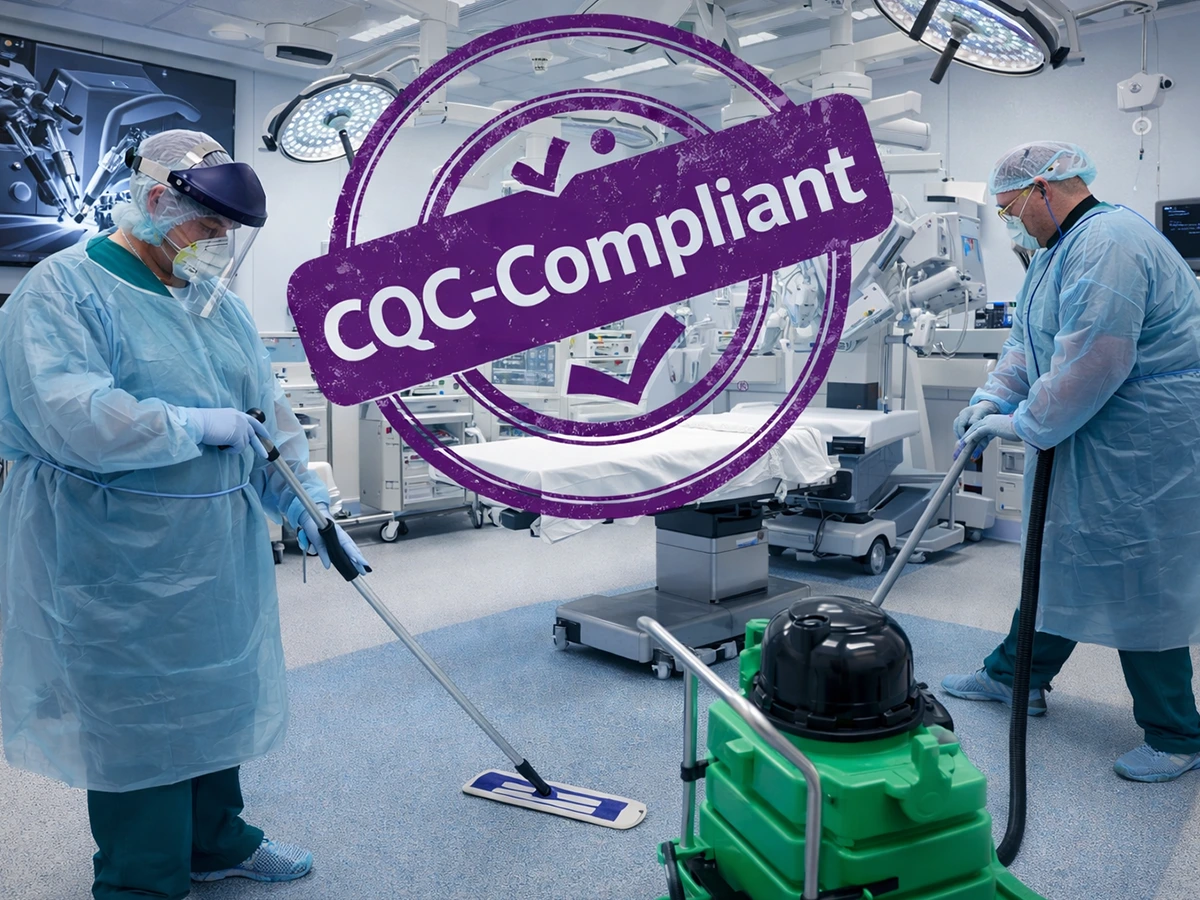
CQC-compliant cleaning is vital to helping healthcare providers maintain safe, hygienic environments that protect patients and meet regulations. In clinical settings, cleaning goes far beyond general tidiness; it constitutes a structured process designed to support infection prevention, regulatory compliance, and patient safety.
Healthcare organisations regulated by the Care Quality Commission must demonstrate that their premises are clean, well-maintained, and safe for patient care. This includes upholding strict hygiene standards, documenting cleaning routines, managing clinical waste correctly, and implementing infection prevention procedures.
For many GP surgeries, dental practices, private clinics, and medical centres across London, working with professional healthcare cleaning specialists helps ensure these requirements are regularly met.
For example, specialist providers, such as professional healthcare cleaning services, support clinics and medical practices with structured infection-control cleaning programmes aligned with healthcare regulations.
Understanding how these cleaning systems work and why they matter can help healthcare managers maintain compliance and prepare confidently for inspections.
Understanding CQC Hygiene Expectations
The Care Quality Commission requires healthcare environments to be clean, safe, and suitable for patient treatment. Hygiene and infection prevention are core parts of CQC inspection criteria.
Medical practitioners must demonstrate that their premises maintain appropriate cleanliness standards across both clinical and non-clinical areas.
Key hygiene expectations typically include:
- Infection prevention and control procedures
- Safe and hygienic patient environments
- Proper clinical waste management
- Documented cleaning schedules and monitoring systems
- Safe use and storage of cleaning chemicals and equipment
These requirements apply to GP surgeries, private clinics, dental practices, medical centres, and specialist treatment facilities across London.
By applying structured medical facility cleaning procedures, healthcare organisations can demonstrate that environmental hygiene is actively managed rather than addressed only during inspections.
Infection Prevention Cleaning in Clinical Environments
Healthcare environments pose unique hygiene challenges due to constant patient flow, high-touch surfaces, and vulnerable individuals receiving care.
Specialist clinical cleaning services in London focus on infection prevention by targeting the areas most likely to spread bacteria or viruses.
Typical infection control cleaning tasks include:
- Disinfection of high-touch surfaces such as door handles and treatment chairs
- Cleaning treatment rooms between patient appointments
- Sanitising waiting areas and reception desks
- Washroom sanitation and handwashing station cleaning
- Disinfecting shared clinical equipment touchpoints
This well-structured approach substantially lowers the risk of healthcare-associated infections while maintaining hygienic treatment spaces.
Healthcare providers preparing for regulatory inspections frequently rely on experienced cleaning teams to ensure these routines are consistently carried out throughout the facility.
High-Risk Areas That Require Specialist Cleaning
Certain areas in medical facilities require additional attention due to higher contamination risks.
Professional medical practice cleaning services prioritise high-risk areas where infection transmission is more likely.
Examples include:
- Treatment rooms and examination areas
- Waiting rooms and patient seating areas
- Washrooms and hygiene stations
- Reception desks and administrative workspaces
- Staff kitchens, break rooms, and shared equipment
Each space needs tailored cleaning frequencies and specialised disinfection procedures to maintain safe working conditions for staff and patients.
COSHH Compliance and Safe Chemical Use
Healthcare cleaning products must meet strict safety regulations under COSHH (Control of Substances Hazardous to Health).
Proper chemical management ensures disinfectants remain effective while protecting patients, staff, and cleaning personnel.
Professional healthcare cleaning services support COSHH compliance through:
- Safe storage of cleaning chemicals
- Correct dilution procedures
- Appropriate contact times for disinfectants
- Compatibility with clinical equipment and surfaces
Understanding COSHH compliance is important for maintaining safe hygiene standards throughout healthcare environments.
Cleaning teams trained in COSHH procedures help healthcare facilities maintain safety and meet regulatory standards.
Preventing Cross-Contamination in Healthcare Settings
Cross-contamination is one of the most significant sources of infection in healthcare environments.
Without structured cleaning systems, pathogens can easily spread between treatment rooms, waiting areas, and staff facilities.
To reduce this risk, professional cleaning teams often implement colour-coded cleaning systems that separate equipment by area.
These systems help ensure:
- Dedicated cleaning tools for washrooms, clinical areas, and general spaces
- Cleaning processes that move from low-risk to high-risk zones
- Controlled movement of cleaning equipment between rooms
By preventing contamination pathways, these systems support infection prevention policies and sustain consistent hygiene standards.
Cleaning Schedules That Work Around Patient Care
Healthcare facilities operate on tight schedules, so cleaning routines must align with patient appointments and treatment times.
Professional healthcare cleaning companies often design flexible schedules that support uninterrupted patient care.
Typical cleaning programmes may include:
- Early morning cleaning before clinics open
- Between-session treatment room sanitation
- Evening or out-of-hours cleaning schedules
- Scheduled deep cleaning programmes
This approach secures that treatment spaces stay hygienic throughout the day while minimising disruption to staff and patients.
What the CQC Looks For During Hygiene Inspections
During inspections, the Care Quality Commission assesses whether healthcare providers maintain safe and hygienic premises.
Inspectors typically evaluate several environmental hygiene factors, including:
- Cleanliness of treatment rooms and clinical equipment
- Correct waste disposal procedures
- Cleaning documentation and monitoring records
- Infection prevention protocols
- Overall hygiene standards throughout the facility
Facilities that maintain structured cleaning schedules and clear paperwork often find it easier to demonstrate compliance during inspections.
For GP surgeries and medical practices across Central London, proactive environmental hygiene management helps reduce inspection risks while continuing patient trust.
Healthcare Cleaning Services Across Central London
FlexCleaning provides specialist healthcare cleaning services across a range of medical environments in London.
These services support:
- GP surgeries
- Private clinics
- Dental practices
- Medical centres
- Specialist treatment facilities
Healthcare cleaning services are available across Central London, including Clerkenwell, Farringdon, Midtown, and surrounding areas.
Typical services include:
- Daily clinical cleaning
- Treatment room sanitation
- Washroom hygiene management
- Infection control cleaning programmes
- Periodic deep cleaning for healthcare facilities
FlexCleaning’s teams are trained in infection prevention procedures, COSHH compliance, and
healthcare hygiene protocols used across London’s clinical environments.
Why Professional Healthcare Cleaning Matters
Maintaining hygiene standards in medical facilities requires specialised procedures, trained personnel, and consistent cleaning routines.
Professional clinical cleaning services help healthcare providers maintain safe treatment environments as supporting regulatory compliance.
By combining infection prevention protocols with structured cleaning schedules, healthcare facilities can protect patients, support staff wellbeing, and preserve high standards of care.
FAQs – CQC Compliant Healthcare Cleaning Services
What cleaning standards does the Care Quality Commission require?
The Care Quality Commission requires healthcare facilities to maintain safe, clean environments suitable for patient care. This includes documented cleaning schedules, infection prevention procedures, appropriate waste disposal, and effective hygiene monitoring.
What are CQC-compliant cleaning services?
CQC-compliant cleaning services are specialist cleaning programmes designed for healthcare environments. They support infection control procedures, hygiene compliance, and regulatory standards required for medical facilities.
What is infection control cleaning in healthcare facilities?
Infection control cleaning focuses on disinfecting high-touch surfaces, treatment rooms, and shared spaces to prevent the spread of bacteria and viruses within healthcare environments.
How do healthcare cleaning companies help with CQC inspections?
Professional cleaning providers support inspections by maintaining documented cleaning routines, implementing infection prevention procedures, and guaranteeing healthcare environments meet required hygiene standards.
How often should GP surgeries and clinics be professionally cleaned?
Most healthcare facilities require daily cleaning of patient-facing areas and treatment rooms, with periodic deep cleaning scheduled based on patient volume and services provided.
Do you provide healthcare cleaning across Central London?
Yes. FlexCleaning provides medical facility cleaning services for GP surgeries, clinics, dental practices, and healthcare centres across Central London, including Clerkenwell, Farringdon, Midtown, and nearby areas.
CQC Compliant Cleaning Focused on Patient Safety & Compliance
Maintaining high hygiene standards is important for protecting patients, supporting staff, and meeting regulatory requirements.
Healthcare providers across London rely on professional clinical cleaning teams to keep consistent infection prevention standards and prepare confidently for inspections.
To learn more about specialist healthcare cleaning services, contact FlexCleaning at 020 7415 7008 or email info@flexcleaning.co.uk to discuss CQC-compliant cleaning solutions for your healthcare facility.