
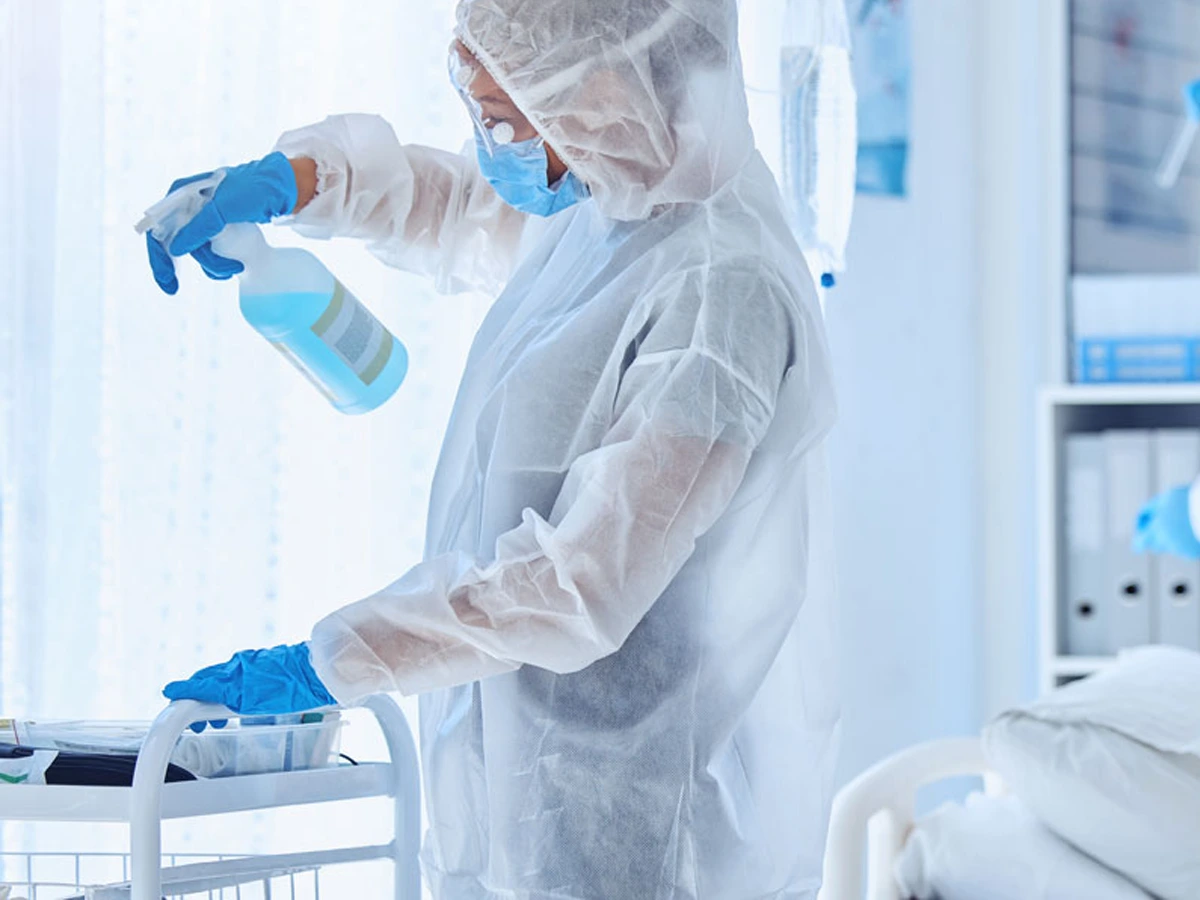
Specialist medical cleaning in London plays a critical role in maintaining safe, compliant healthcare environments. In clinics, dental surgeries, and treatment settings, infection prevention and cleaning are essential to reduce contamination risks, protect vulnerable patients, and support safe day-to-day clinical operations. Effective medical cleaning is not simply about appearance; it is a structured infection-control process designed to support healthcare governance, hygiene expectations, and patient safety.
For healthcare providers across central London, partnering with an experienced specialist such as FlexCleaning ensures cleaning protocols align with clinical standards and healthcare environmental hygiene expectations.
Infection Prevention Cleaning in Medical Facilities
Healthcare environments differ significantly from offices or retail spaces. Patients may have weakened immune systems, and contamination can occur quickly through high-contact surfaces and shared spaces. Without consistent infection prevention and cleaning, pathogens can spread through healthcare environments, increasing the risk of healthcare-associated infections (HAIs).
Common high-risk surfaces include:
- Door handles and push plates
- Examination couches and treatment chairs
- Reception and waiting area surfaces
- Clinical equipment touchpoints
- Washroom fixtures and taps
A structured medical cleaning programme reduces microbial presence and supports safer clinical care pathways.
Surface Disinfection in Clinical Environments
High-touch surface disinfection is a core part of specialist medical cleaning. Cleaning teams follow defined protocols to ensure surfaces are cleaned and disinfected at the correct frequency and with appropriate contact times.
In healthcare settings, effective surface disinfection helps:
- Reduce environmental pathogen load.
- Interrupt infection transmission pathways.
- Maintain hygienic treatment spaces between patients.
- Support infection prevention and cleaning programmes
The emphasis is on prevention, ensuring contamination risks are managed proactively rather than reactively.
COSHH Compliance and Infection-Control Disinfectants
COSHH compliance is essential in medical cleaning, as chemical selection directly impacts patient safety and clinical outcomes. Specialist cleaning teams use infection-control compliant disinfectants suitable for healthcare environments, ensuring effective pathogen reduction without compromising surfaces or safety.
This includes:
- Correct dilution and application methods
- Adherence to required dwell/contact times
- Safe storage and handling procedures
- Compatibility with clinical equipment and materials
By linking chemical control to infection prevention, healthcare facilities maintain safer environments while meeting governance expectations.
Cross-Contamination Control and Clinical Colour-Coded Systems
Cross-contamination is a major infection risk within healthcare environments. Specialist medical cleaning uses colour-coded clinical cleaning systems to prevent contamination pathways between areas such as washrooms, treatment rooms, and communal spaces.
Examples of contamination pathways include:
- Transfer of pathogens via cleaning cloths or mops
- Movement between dirty and clean zones without workflow controls
- Shared equipment used across clinical and non-clinical areas
Colour-coded equipment and controlled cleaning sequences help break these pathways, improving infection prevention outcomes and protecting patients and staff.
Workflow-Aligned Clinical Cleaning
Effective medical cleaning must align with clinical workflows. Cleaning schedules are planned around patient appointments, treatment preparation, and operational demands to ensure hygiene standards are maintained without disrupting care delivery.
Workflow-aligned cleaning typically includes:
- Early morning or evening cleaning routines
- Out-of-hours clinical cleaning
- Pre-session treatment room preparation
- High-touch disinfection between operating periods
This structured approach keeps healthcare spaces consistently ready for safe use.
Infection-Reduction Outcomes of Specialist Medical Cleaning
A professional infection prevention cleaning programme delivers measurable benefits for healthcare facilities:
- Improved infection control: Reduced microbial contamination supports safer care environments.
- Reduced transmission risk: Controlled processes minimise cross-contamination between zones.
- Enhanced patient safety: Hygienic surroundings support positive clinical outcomes.
- Improved staff protection: Cleaner environments reduce occupational exposure risks.
- Consistent compliance: Ongoing protocols support governance and healthcare hygiene expectations.
These outcomes demonstrate the value of prevention-focused cleaning rather than reactive sanitation.
Healthcare Facilities Supported by Specialist Medical Cleaning
Specialist healthcare cleaning services typically support a wide range of environments, including:
- GP surgeries
- Dental practices
- Treatment rooms and minor procedure spaces
- Waiting areas and reception zones
- Private healthcare clinics
- Washrooms and shared staff facilities
Each healthcare setting presents different contamination risks, requiring tailored frequencies, protocols, and cleaning workflows.
Trained Professionals and Healthcare Environmental Hygiene Standards
In medical environments, cleaning professionals contribute directly to infection control strategies. Teams trained in healthcare environmental hygiene standards understand how cleaning supports patient safety, regulatory expectations, and clinical governance.
Specialist medical cleaners are trained to follow:
- Structured healthcare cleaning protocols
- Infection prevention and cleaning procedures
- Hygiene-critical touchpoint identification
- Safe disinfectant handling and application
- Clinical cleaning governance requirements
This level of training ensures cleaning supports healthcare quality standards rather than simply maintaining appearances.
Compliance, Governance and Patient Confidence
Healthcare organisations operate under strict hygiene expectations. Cleanliness directly contributes to patient trust, regulatory compliance, and the overall perception of care quality.
Specialist medical cleaning supports:
- Healthcare governance and hygiene compliance
- Alignment with infection-control expectations
- Improved patient reassurance and experience
- Safe and professional clinical presentation
A proactive hygiene strategy demonstrates commitment to safety and continuous improvement.
Medical Cleaning Services Across Central London
FlexCleaning delivers specialist medical cleaning in London, supporting clinics and healthcare facilities across Clerkenwell, Farringdon, Midtown, and surrounding central London locations. Cleaning programmes are customised according to facility size, risk profile, and patient flow.
Service options include:
- Contract medical cleaning programmes
- Deep clinical cleaning
- Out-of-hours healthcare cleaning
- High-touch infection prevention cleaning
This local service delivery supports both operational flexibility and local SEO visibility while maintaining consistent infection-control standards.
Why Specialist Medical Cleaning Matters
Standard commercial cleaning does not provide the protocols, governance, or infection-control focus required in healthcare settings. Specialist medical cleaning combines structured processes, trained professionals, compliant disinfectants, and workflow-aligned delivery to effectively reduce infection risks.
A prevention-led approach protects patients, supports clinicians, and maintains safe healthcare environments every day.
FAQs – Specialist Medical Cleaning in London
What is specialist medical cleaning in London?
Specialist medical cleaning refers to infection prevention cleaning designed specifically for healthcare facilities. It focuses on clinical hygiene, surface disinfection, and infection-control protocols rather than general cleaning.
How does infection prevention and cleaning reduce infection risks?
It removes pathogens from high-touch surfaces, controls cross-contamination pathways, and supports consistent healthcare environmental hygiene standards.
How often should healthcare facilities be professionally cleaned?
Most facilities require daily clinical cleaning, with enhanced disinfection and scheduled deep cleans depending on patient flow, treatments, and risk levels.
Why is COSHH compliance important in medical cleaning?
COSHH compliance ensures disinfectants are handled safely and applied correctly, supporting effective infection control and patient safety.
Do you provide medical cleaning across central London?
Yes. FlexCleaning supports clinics and healthcare facilities throughout central London, including Clerkenwell, Farringdon, Midtown, and nearby areas.
Specialist Medical Cleaning Focused on Safety and Patient Experience
Compliance, safety, and patient confidence all depend on consistent healthcare hygiene standards. Specialist medical cleaning supports safer environments, improved patient experience, and reliable operational governance.
If you manage a clinic or healthcare facility in central London, FlexCleaning provides structured, infection prevention-focused medical cleaning tailored to your environment and schedule. Call 020 7415 7008 or email info@flexcleaning.co.uk to discuss a tailored clinical cleaning plan.